Bed Bugs Control by Protective Fumigation
Parasitic Pest Control and Vector Elimination
Bed bugs, scientifically known as Cimex lectularius, are tiny, wingless creatures that feed solely on the blood of humans and animals. They are rounded, thin, sandy-brown insects that conceal themselves in dark crevices during daylight hours and venture out at night to feed on sleeping victims.
Bed bugs are not typically life-threatening, but bites often form a dry, reddened area that appears in a row or group. Scratching can lead to skin infections such as impetigo or cellulitis. Bites can also trigger allergic reactions, including hives, asthma attacks, or in rare cases anaphylaxis. Long-term infestations have been linked to iron-deficiency anemia and psychological distress. Consult your physician if you observe these signs.
1. Impact on Building Structures and Wooden Surfaces
Unlike termites, bed bugs do not feed on wood or bore through structural framing. Their presence still causes indirect surface damage and property loss:
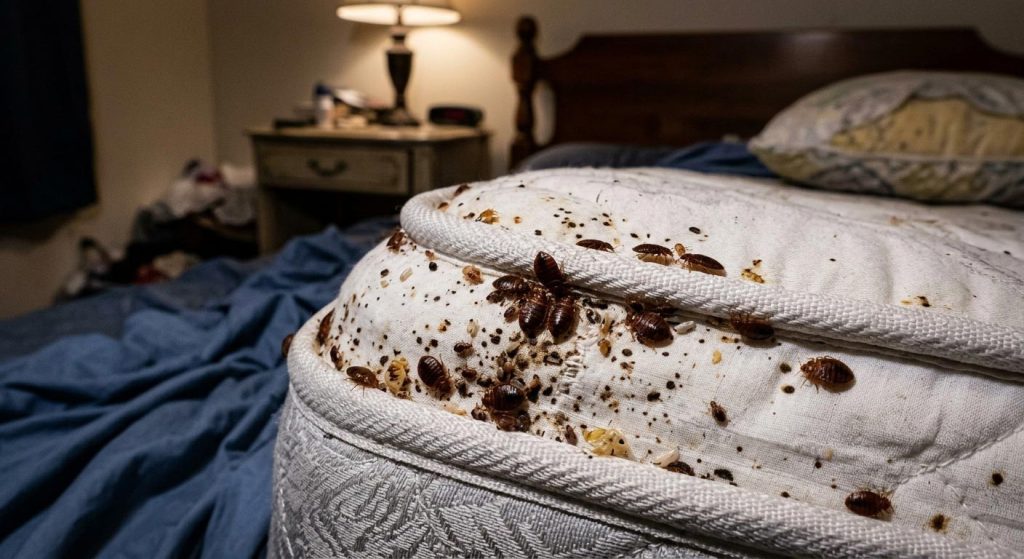
- Fecal staining and surface damage: Dark digested-blood spots appear along mattress seams, headboards, baseboards, door frames, and bed slats. These stains infiltrate porous materials and paint.
- Shed skins and egg accumulation: Nymphs shed exoskeletons and deposit white, sticky egg clusters into fine wood cracks on furniture, wall decorations, and baseboard joints.
- Property loss via contamination: Advanced infestations often force replacement of mattresses, upholstered furniture, and wooden bed frames.
2. Primary Sources and Transmission Channels
Bed bugs do not appear from dirt or unsanitary conditions. They travel through physical movement:
- Travel and hospitality: They cling to luggage, backpacks, and clothing in hotels, rentals, public transport, and entertainment venues.
- Pre-owned furniture and goods: Secondhand mattresses, seating, bed slats, and garments are common entry points.
- Multi-unit migration: In apartments and hotels they crawl through wall cavities, plumbing chases, and electrical outlets.
3. Consequences of Prolonged Infestations
- Sleep deprivation and stress: Night-time biting and itching lead to insomnia and emotional distress.
- Skin infections and allergies: Persistent scratching can cause secondary bacterial infections or acute allergic reactions.
- Exponential growth: A single adult female can lay 200 to 500 eggs over her lifespan. Untreated rooms quickly become a building-wide problem.
4. Professional Bed Bug Control Procedure
Step 1: Detailed Inspection
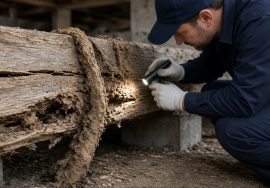
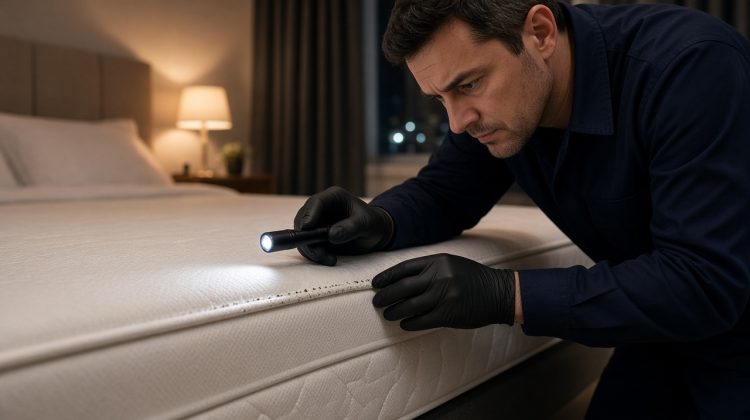
Technicians audit mattress seams, wooden bed frames, baseboards, electrical faceplates, and furniture joints with high-intensity lights to identify harborage areas.
Step 2: Professional Treatment by Protective Fumigation
Complete eradication usually requires EPA-approved pesticides applied by experienced technicians. Protective Fumigation uses labeled bed-bug treatments and proven methods rather than household sprays that only scatter the infestation.
Contact Protective Fumigation at 03215522207 for professional bed bug control.