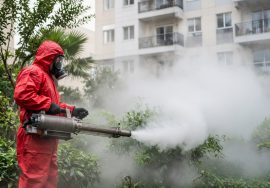
Termite Treatment by Protective Fumigation
Structural Protection and Pest Biology
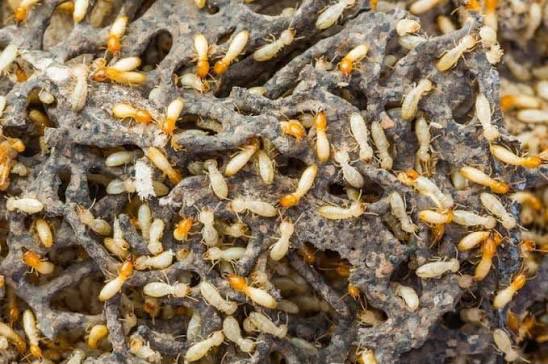
Termites are social insects that feed on cellulose in wood, plant matter, cardboard, and paper. Often called silent destroyers, they live in large underground or indoor colonies and can cause severe structural collapse before their presence is detected.
1. How Termites Damage Building Structures and Wood
Termites digest cellulose from the inside out, often leaving the outer paint or laminate intact:
- Structural timber and furniture: They hollow load-bearing beams, floor joists, wall framing, door frames, roof trusses, and cabinetry.
- Concrete and masonry: They cannot eat concrete, but they use hairline cracks, expansion joints, and plumbing gaps to reach interior wood.
- Drywall and paper goods: They feed on drywall paper backing, leaving mud traces, ripples, or bubbling on walls.
2. Where Do Termites Come From?
- Underground soil (subterranean termites): The most destructive species nest in soil and build mud shelter tubes into buildings.
- Swarming alates: In warm, humid weather, winged reproductives leave the colony, drop their wings, and start new nests in damp wood or soil.
- Infested materials: Construction timber, landscaping mulch, and relocated wooden furniture can introduce colonies.
3. Impact of Long-Term Termite Infestations
- Structural failure: Wood can lose 80 to 90 percent of its load capacity, causing sagging joists, buckled floors, jammed doors, and collapse risk.
- Severe financial loss: Repairs mean opening finished walls, replacing framing, and retrofitting supports.
- Electrical hazards: Termites in wall cavities can strip wire insulation and create fire risk.
4. Professional Termite Control Procedure
Step 1: Comprehensive Inspection
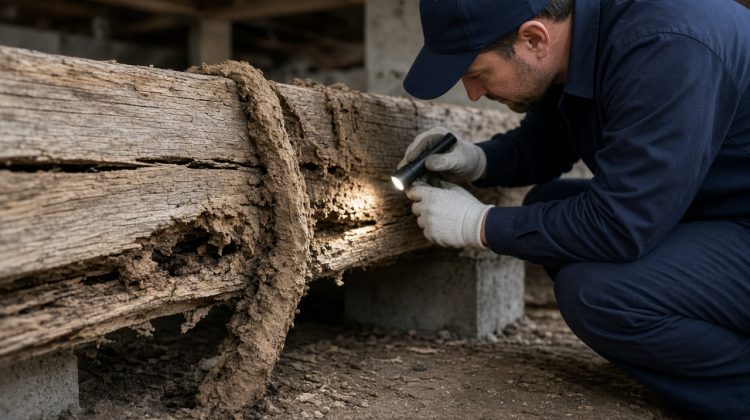
Protective Fumigation technicians audit the site with moisture meters and thermal cameras to find infestation zones, shelter tubes, moisture sources, and access points.
Step 2: Perimeter Trenching
A narrow trench around the foundation is saturated with liquid termiticides to form a subterranean chemical barrier.
Step 3: Drilling and Pressure Injection
Holes spaced 12 to 18 inches apart are drilled near walls and floor joints. Non-repellent termiticides are injected beneath the slab.
Step 4: Transfer Effect and Colony Elimination
Foraging termites carry the chemical back to the nest. Grooming and feeding pass it to nestmates and the queen, eliminating the colony.
Step 5: Sealing and Monitoring
Holes are patched and baiting stations stay in place for long-term protection. Protective Fumigation uses W.H.O. certified chemicals applied by trained technicians.
Contact Protective Fumigation at 03215522207 for termite treatment and fumigation.